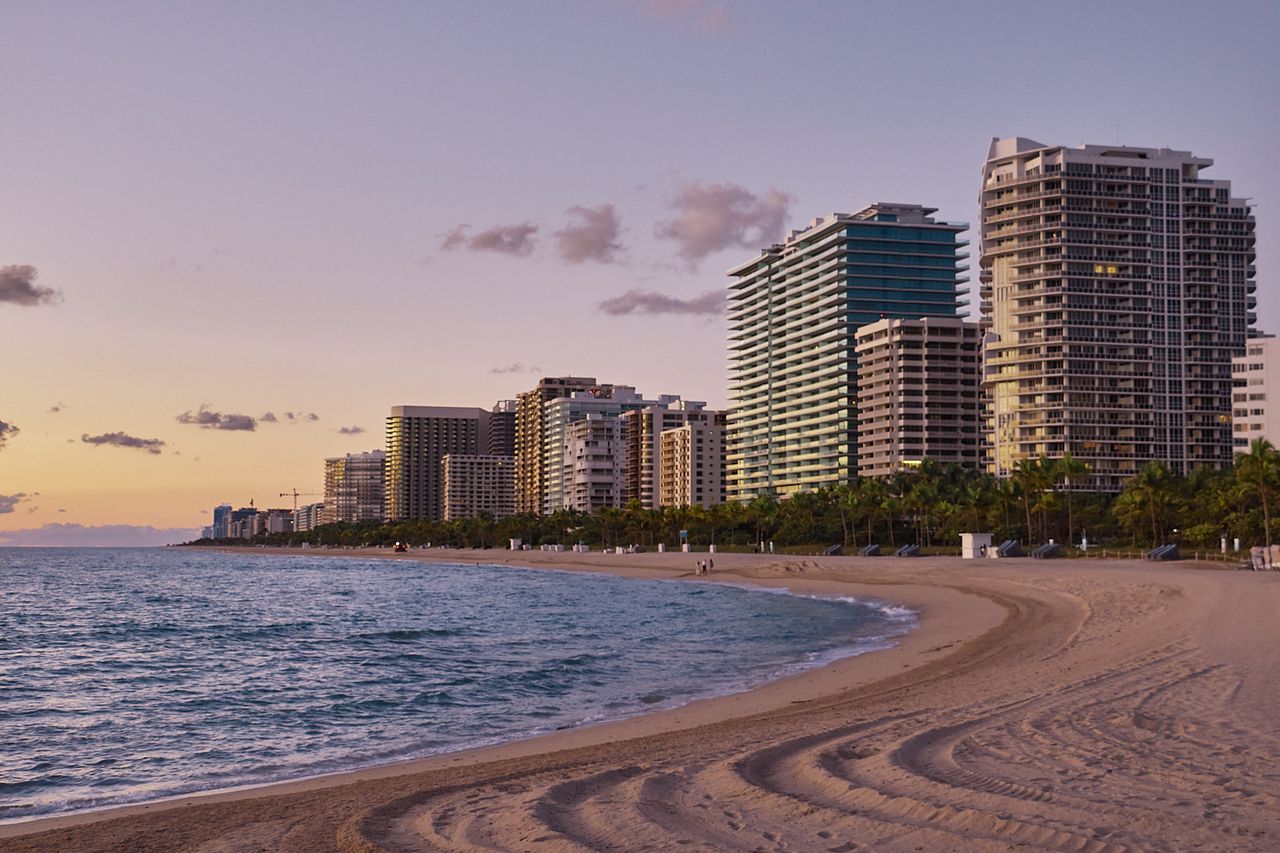
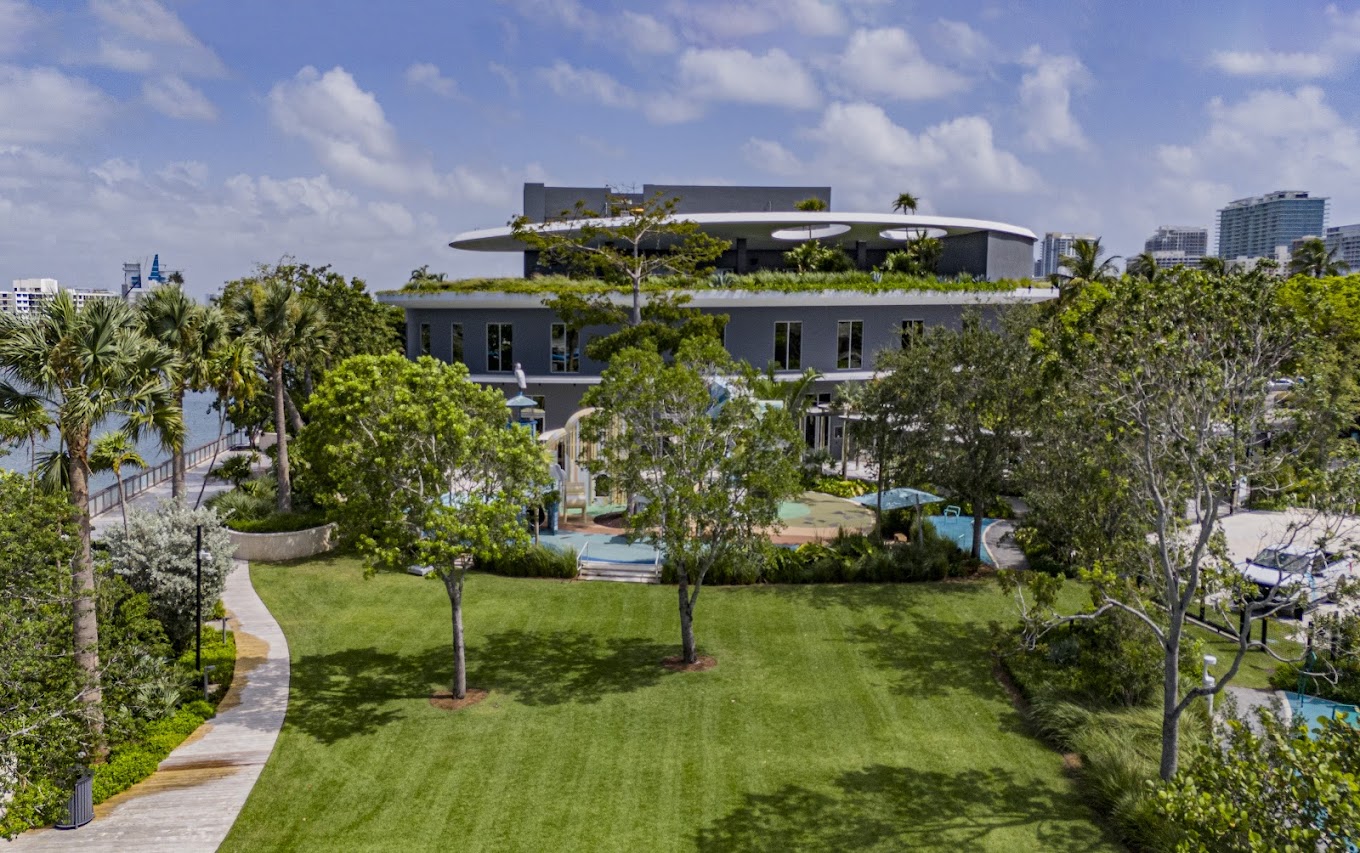
Bal Harbour is not a neighborhood in the way most Miami addresses function. It's a 179-acre municipality at the northern tip of Miami Beach, incorporated separately and built at a density that doesn't expand. You feel that immediately once you're there — the scale doesn't change.
Buyers here are rarely comparing across neighborhoods. They're deciding whether this specific environment fits how they want to live.
What that setup produces is a market with structural scarcity built into it, not something created by timing or demand cycles. The inventory ceiling is real, and the buildings along that stretch of ocean have been trading long enough to show a clear track record.
The residential component most buyers associate with Bal Harbour is the tower market along Collins Avenue — oceanfront and Intracoastal condos that range from older buildings to newer product like Oceana and St. Regis. But there is a second layer: Bal Harbour Village, a small collection of single-family homes set behind private streets on the west side near Bal Harbour Shops.
That segment operates separately. Different buyers, different transaction frequency, different analysis. In most 90-day periods, only one or two homes trade. Evaluating that market is not the same as evaluating a condo tower, and it shouldn't be approached the same way.
The secondary condo market here has been through enough cycles to be readable. Buildings have absorbed corrections, worked through inventory, and continued to transact at prices supported by real demand for an address that doesn't have a substitute. Surfside to the south operates on direct ocean access, while Bay Harbor Islands, one block from the bay, trades at a different price level. Bal Harbour sits between those two, but it's not a midpoint. It's a separate decision.
How to Think About This Market
The discipline that matters most in Bal Harbour is treating each building as its own market. Oceana and St. Regis are both oceanfront — they are not comparable. Balmoral and Kenilworth are both older inventory with ocean exposure — they don't price the same, and they don't attract the same buyer. The aggregate numbers give you orientation. The decision happens at the building level: what recent closings in that specific building suggest about value, how reserves have been managed, and whether the asking price reflects what the building actually is — not what the address implies.
On the new construction side, Rivage Bal Harbour is the only project currently moving forward — and that situation is unlikely to change. The municipality doesn't have large developable oceanfront sites left. For buyers who want new product at this address, there is one project to evaluate. That scarcity shapes how Rivage is priced and positioned relative to everything else in the market — and it's worth understanding that dynamic before drawing comparisons to new construction in Surfside or Bay Harbor Islands, where the supply picture is meaningfully different.